Curious about buying a historic home in Hancock Park? You are not alone. For many buyers, the appeal is easy to understand: classic architecture, generous lots, and a streetscape that feels distinctly tied to Los Angeles history. But buying here also means looking beyond charm and understanding preservation rules, property condition, and long-term maintenance before you close. Let’s dive in.
Why Hancock Park Stands Out
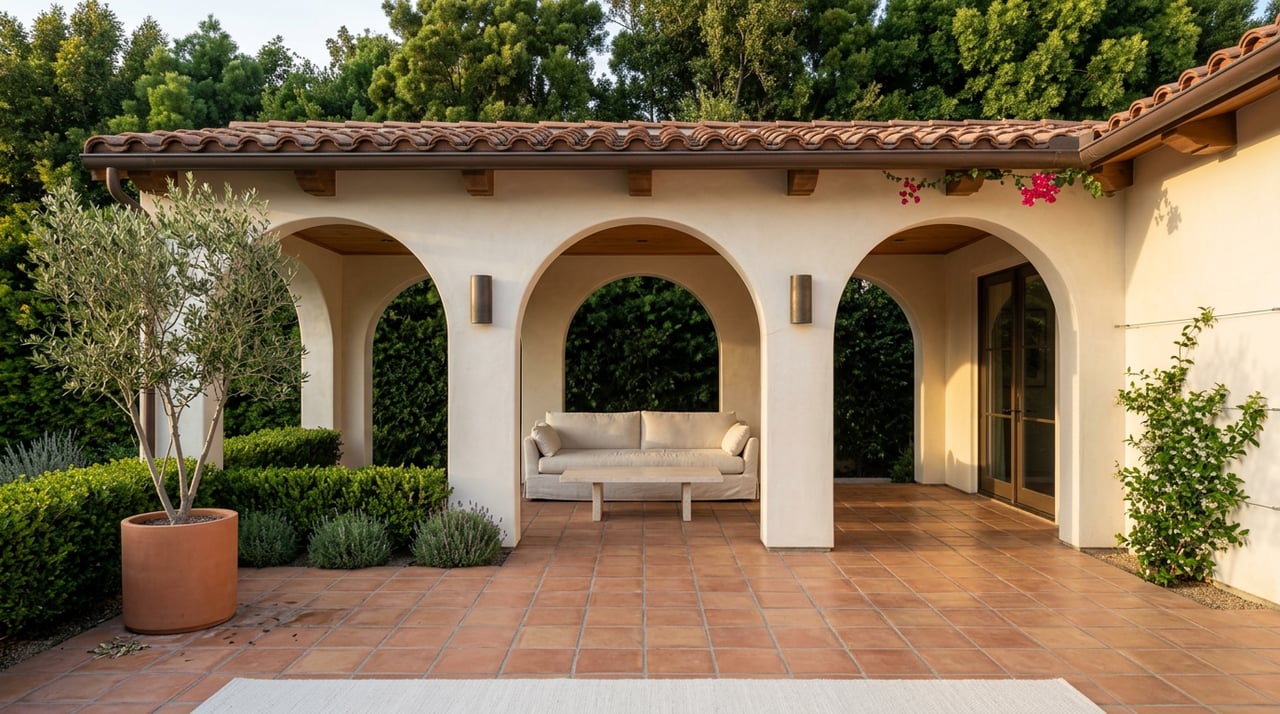
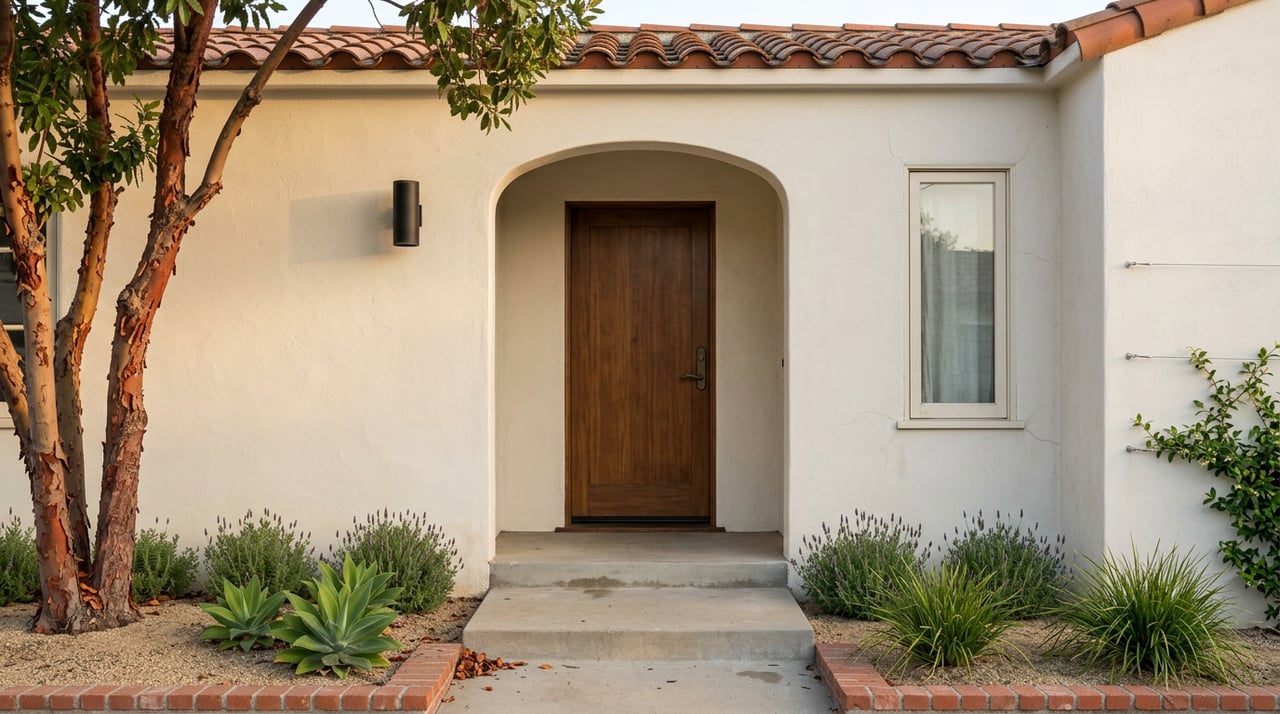
Hancock Park is one of Los Angeles’s best-known historic neighborhoods, and its identity is closely tied to early 20th-century residential design. According to the City of Los Angeles, the Hancock Park Historic Preservation Overlay Zone, or HPOZ, includes Tudor Revival, English Revival, Spanish Colonial Revival, Mediterranean Revival, Monterey Revival, and American Colonial Revival homes.
The neighborhood’s Preservation Plan describes a large collection of two-story single-family residences on spacious lots with raised front yards, substantial setbacks, and side driveways that often lead through a porte cochere to a rear garage. In other words, when you buy here, you are often buying into a larger historic streetscape, not just a single house.
Why Historic Status Affects Your Purchase
In Hancock Park, historic character is not just a design detail. It can shape what changes are reviewed, what documentation matters, and how you plan future improvements. That makes due diligence especially important if you expect to remodel after closing.
The Hancock Park Preservation Plan identifies the neighborhood’s period of significance as 1920 to 1956. Because the district’s character is tied to visible exterior features, street-facing facades, rooflines, and additions often receive more attention than they would in a typical neighborhood.
Check HPOZ Status Early
One of the first things you should confirm is whether the property falls within the Hancock Park HPOZ and how it is classified. The Preservation Plan distinguishes between contributing and non-contributing resources, and that difference can affect how exterior work is reviewed.
HistoricPlacesLA is the City’s inventory and mapping tool for historic resources and survey findings. Because survey findings can be updated over time, it is smart to verify the exact parcel classification early, especially if you are already thinking about exterior changes.
What the HPOZ Often Reviews
The Hancock Park Preservation Plan focuses review authority on projects with the greatest impact on the neighborhood’s visible historic character. That commonly includes:
- Street-visible exterior changes
- Large additions
- Infill development
- Front-yard fences and walls
- Some paving and hardscape changes
- Visible HVAC equipment
- Major exterior changes on contributing buildings
What May Be Exempt
Not every project triggers the same level of review. In Hancock Park, common exempt items can include:
- Interior remodels
- Paint color
- Rear-yard landscaping
- Side-yard landscaping
- Rear- and side-yard fences and hedges
- Many other non-visible improvements
That said, you should not assume a project is exempt without checking the current rules and the property’s status. A quick verification up front can save time, money, and frustration later.
Understand the Mills Act Before You Buy
A second layer of due diligence involves the Mills Act. Los Angeles City Planning describes it as the City’s primary financial incentive for historic preservation, and it can provide a potential property tax reduction for qualifying historic properties, including HPOZ contributors.
That can sound appealing, but it comes with obligations. Mills Act contracts transfer to new owners when a property is sold, and they remain subject to compliance review and periodic inspections.
Why This Matters to Buyers
If a Hancock Park home is already enrolled in the Mills Act, you may inherit more than tax benefits. You may also inherit long-term maintenance responsibilities tied to the contract. Buyers should ask for any Mills Act contract and related title paperwork before closing so they understand what carries over with the sale.
It is also worth noting that Los Angeles City Planning says new Mills Act applications are temporarily on hold while the City updates the program. So if you are hoping to apply after purchase, you should confirm the current status before making plans around that assumption.
Focus on the Right Inspections
The biggest risk with a historic home in Hancock Park is usually not age alone. It is age combined with visible historic materials, deferred maintenance, and local preservation expectations. A standard inspection is important, but older homes here often benefit from a more targeted review.
Roof and Drainage
A weathertight roof is essential in any older home, and especially in one with historic materials and detailing. Buyers should pay close attention to the roof, flashing, gutters, downspouts, chimney flashing, and signs of past leaks or patchwork.
This matters for two reasons. First, failed drainage systems can allow water into roof structures or walls. Second, roofline and roof-material changes on contributing structures can be subject to review under the Hancock Park Preservation Plan.
Masonry, Stucco, and Mortar
Historic masonry and stucco need close evaluation, especially where moisture may have been an ongoing issue. Look for cracked or eroded mortar, spalling brick or stone, incompatible patching, painted masonry, and staining that suggests chronic water intrusion.
If deterioration is visible, the cause matters as much as the symptom. Leaking roofs, bad gutters, settlement, and persistent dampness can all drive damage over time.
Windows, Doors, and Woodwork
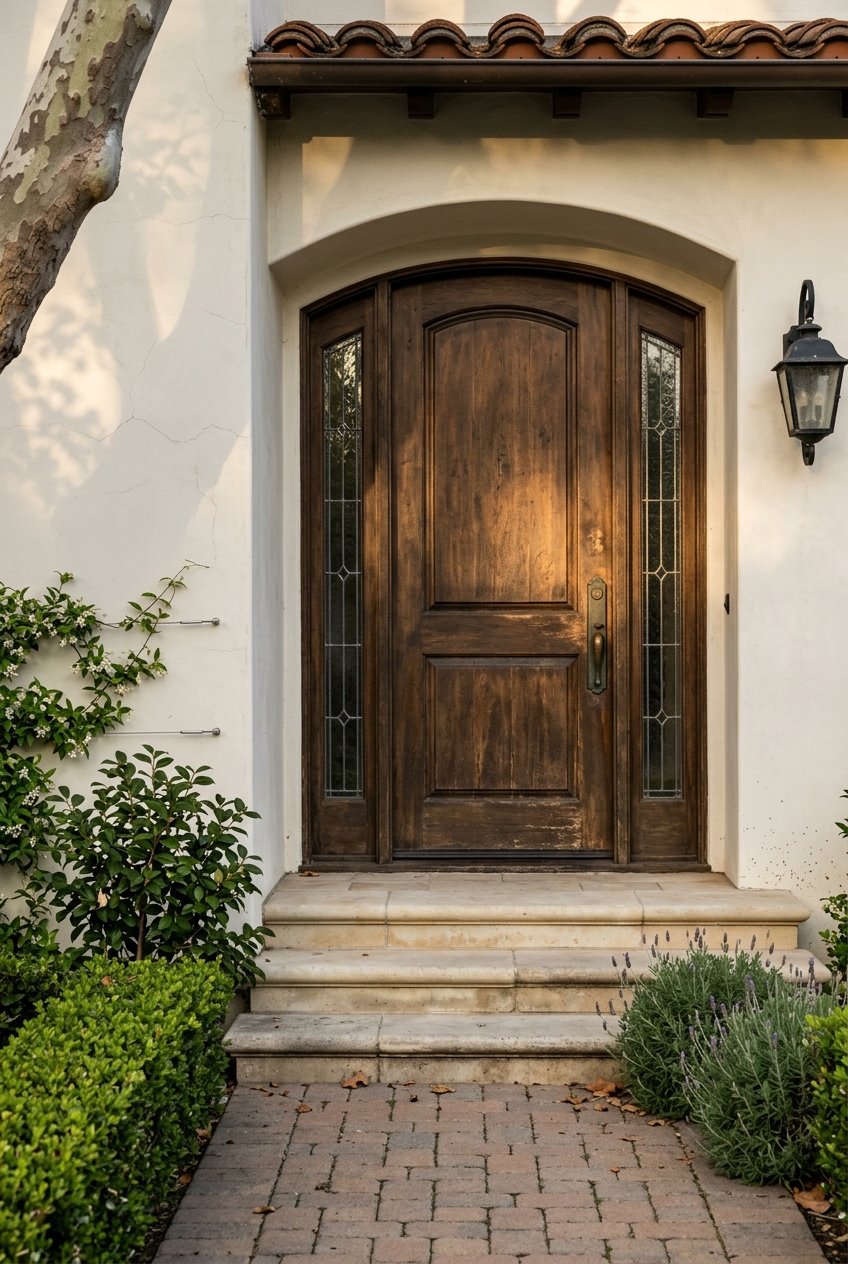
Original windows and doors often play a major role in a historic home’s character. If they have been replaced, you will want to understand whether the newer units respect the original design and visual profile.
During inspections, pay attention to sash condition, sill rot, glazing, weatherstripping, and signs of deferred wood repair. Historic window repair is often considered before replacement, so understanding what is original and what has been altered can help you budget realistically.
Moisture, Settlement, and Hidden Damage
Older homes can hide issues behind fresh finishes. Pay close attention to crawlspaces, foundations, attics, and underfloor areas for signs of movement, dampness, staining, or repairs that may have covered up the original source of damage.
Interior window condensation, plumbing leaks, and mechanical issues can also lead to moisture migrating into walls and historic materials. If you see recurring cracks, uneven floors, or evidence of past patching, it may be time to bring in additional specialists.
Lead Paint, Asbestos, and Termites
Because Hancock Park’s contributing homes are largely from the 1920s through the 1950s, environmental and pest concerns should stay on your radar. Homes built before 1978 are more likely to contain lead-based paint, and suspected asbestos-containing materials should be evaluated by a trained professional before renovation that would disturb them.
Drywood termites are also common in Southern California. In a historic home with wood trim, framing, or signs of prior moisture damage, a professional termite or pest inspection is a smart part of your due diligence.
Build the Right Professional Team
Buying a historic home often calls for more than a general home inspection alone. In Hancock Park, the most useful team may include a general inspector plus specialists who understand historic materials and repair methods.
Depending on the property, that can include:
- A preservation-savvy contractor
- A historic preservation architect or consultant
- A structural engineer for settlement or framing concerns
- A licensed pest inspector
- Environmental testing support for lead or asbestos when renovation is likely
The goal is not to overcomplicate the process. It is to catch the issues that matter most before they become expensive surprises.
Ask for These Records Before Closing
Documentation can tell you a lot about how a home has been maintained and whether past work was properly handled. In a neighborhood like Hancock Park, paperwork matters because exterior work, additions, and compatibility issues may have required review.
Before closing, ask for:
- Prior permits
- HPOZ approvals
- Documentation for additions or facade changes
- Any Mills Act contract
- Related title paperwork tied to preservation obligations
These records can help you understand what was done, what was approved, and what may still need follow-up.
A Smart Mindset for Hancock Park Buyers
Buying a historic home in Hancock Park can be incredibly rewarding. You get architecture, scale, and neighborhood character that are hard to replicate in newer housing. But the best purchase decisions happen when you match that excitement with careful research.
If you verify HPOZ status, inspect the building envelope closely, review records early, and bring in the right specialists, you put yourself in a far better position to enjoy the home with confidence. In a neighborhood where historic character and property stewardship go hand in hand, that preparation matters.
If you are considering a purchase in Hancock Park and want steady, local guidance through the due diligence process, Keyholder Estates can help you move forward with clarity.
FAQs
What should you verify before buying a historic home in Hancock Park?
- You should verify whether the property is in the Hancock Park HPOZ, whether it is classified as contributing or non-contributing, and whether any Mills Act contract or prior exterior approvals affect the property.
What kinds of changes may need review in Hancock Park?
- Street-visible exterior changes, large additions, front-yard fences and walls, some hardscape changes, visible HVAC equipment, and major exterior work on contributing buildings may require review under the Hancock Park Preservation Plan.
What inspections matter most for older Hancock Park homes?
- Buyers should pay close attention to the roof, flashing, gutters, drainage, masonry or stucco condition, windows and woodwork, foundation or settlement concerns, moisture intrusion, and termite or pest activity.
Can a Mills Act contract affect a Hancock Park home purchase?
- Yes. A Mills Act contract transfers to a new owner when the home is sold, and it can include ongoing maintenance obligations, compliance review, and periodic inspections.
Why is buying a historic home in Hancock Park different from buying a typical older house?
- In Hancock Park, you are often dealing with both older building conditions and local preservation rules that focus on visible historic character, which can affect future repairs, exterior updates, and due diligence before closing.