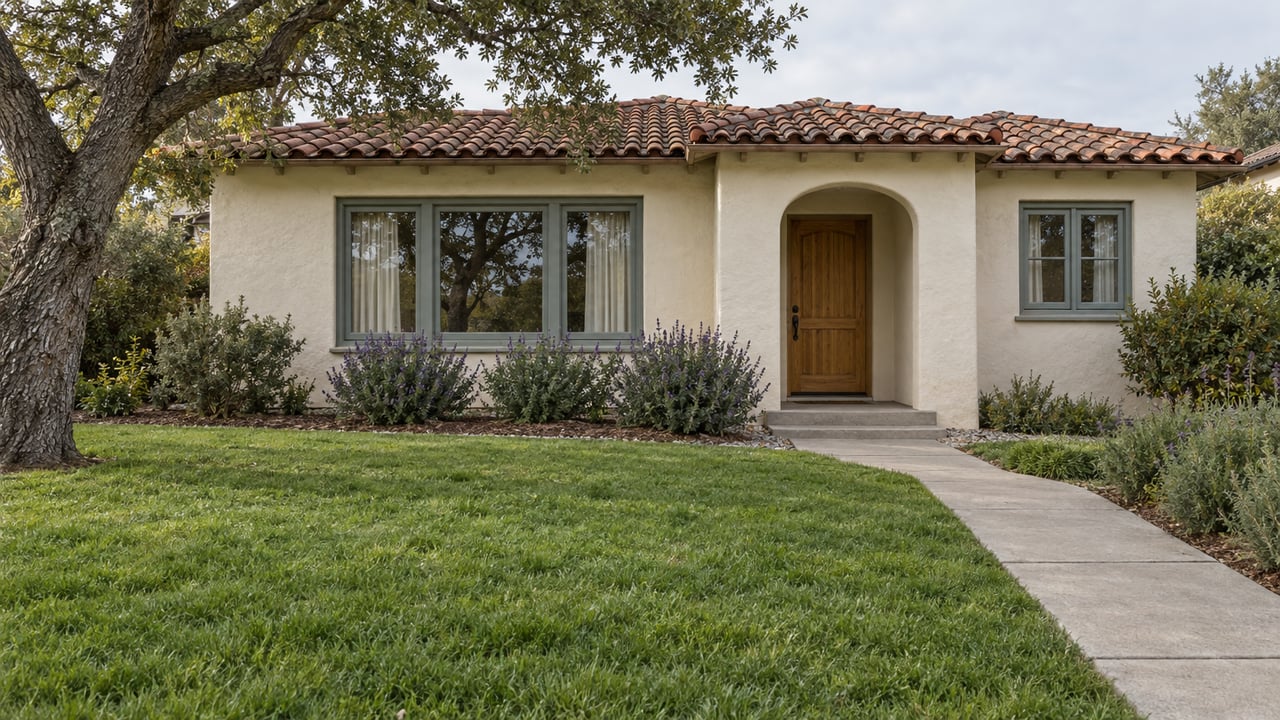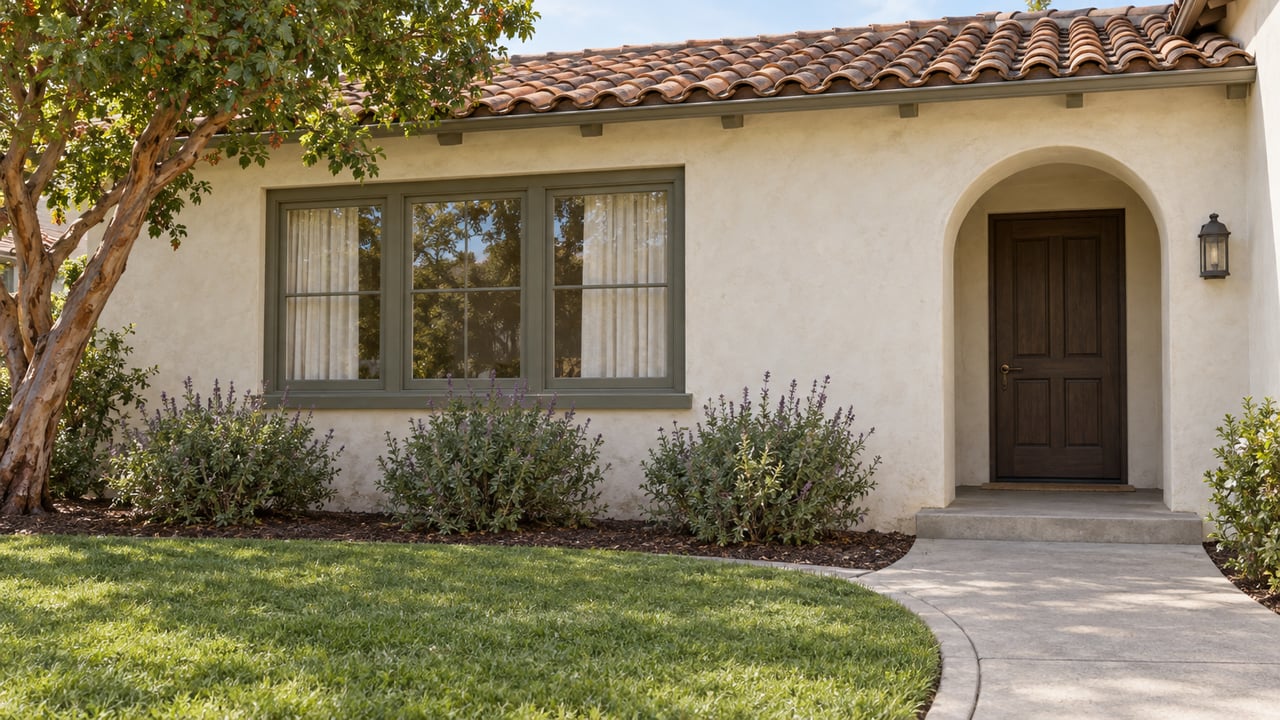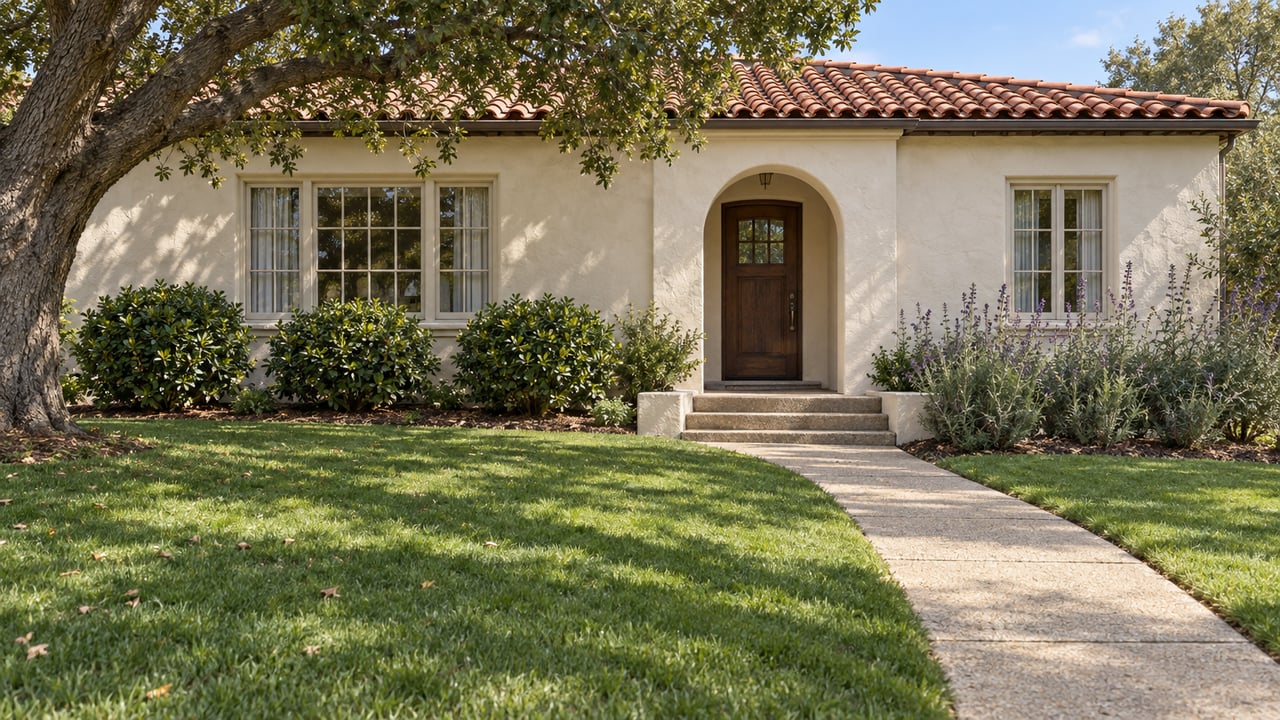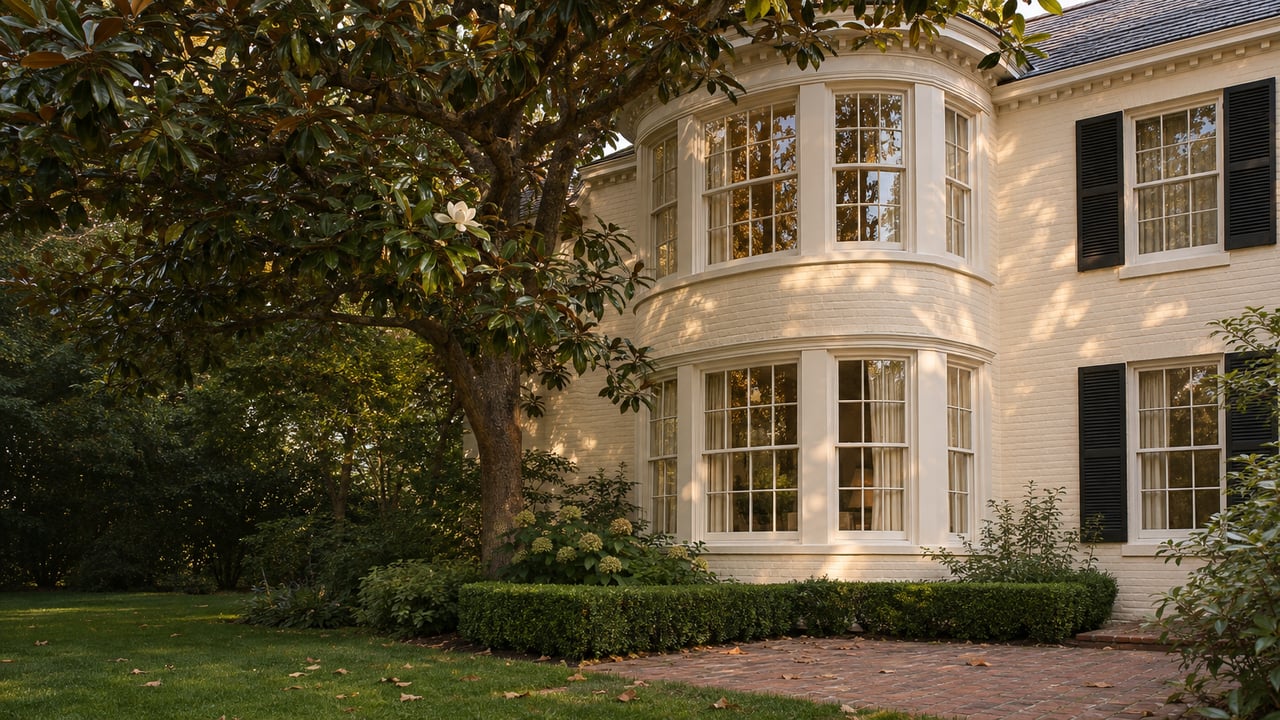
Paul R. Williams designed his first house in this part of Los Angeles on Lorraine Boulevard in Windsor Square, in a pared-down Tudor style instead of the Spanish revival that was popular then. He kept coming back for decades. According to the Larchmont Chronicle, he completed more than 20 houses in Hancock Park, and the last one was finished on Rimpau Boulevard in 1965.
On November 15, the drawings behind that kind of work went on view on Wilshire Boulevard. "Paul R. Williams: Architect for Living" runs in LACMA's Resnick Pavilion through May 31, 2027. For Hancock Park, the show covers the same span of years that the architect's houses already cover on nearby streets.
Four Decades, One Neighborhood
The Chronicle piece came out in 2021 alongside a book on Williams in Angel City Press's "Master Architects of Southern California 1920-1940" series. It noted that Williams is usually tied to Hollywood, Beverly Hills and Brentwood, but he also "designed a substantial body of work in and around Hancock Park over the course of four decades."
Those houses include three he designed for the Banning family on McCadden Place. Linda Brettler, an architect who worked on one of them, told the Chronicle why the houses have aged well:
"His designs were geared towards families. There is no ego involved in his work. His houses are lovely and livable. They seem to adapt to whatever family is in them."
These are private homes, and most of them are best seen from the sidewalk. The LACMA exhibition shows the drawings, photographs and records behind work like this.
What the Resnick Pavilion Adds to the Sidewalk View
According to LACMA's October 7 exhibition advisory, the show includes more than 120 drawings, photographs and pieces of ephemera from Williams's own archive, along with dozens of other photographs, publications and objects. One of those objects is a piano Williams customized for his own residence, which was recently given to the museum. The archive itself is new to the public. The Getty Research Institute and the USC School of Architecture acquired it from the Williams family in 2020, and these exhibitions are the first to show it.
The galleries are organized as thematic sections. Two of the core sections follow his early decades, which overlap with the neighborhood's own run of Williams houses, and others gather his work by theme:
- Launching a Practice in the 1920s begins in 1921, when Williams became the first Black architect licensed in the western United States. It follows a practice that took on upscale homes in newly developed enclaves alongside community landmarks such as Second Baptist Church and the 28th Street YMCA.
- Expanding Visions in the 1930s covers his commercial growth, including the Music Corporation of America headquarters and the Saks Fifth Avenue interiors, both opened in Beverly Hills in 1938, while he kept up a large residential practice.
- The Creator of Livable Homes looks at his moderately priced houses, his public housing for defense workers, and the postwar tracts he designed for returning veterans.
- Mid-Century Dreamscapes gathers his hotel work, including updates to the Beverly Hills Hotel, the Hollywood Knickerbocker and the Ambassador on Wilshire Boulevard.
The first section, America's Ace Architect, starts with Williams's 1952 "dream house." LACMA describes it as a modern residence built in a neighborhood that had until recently been barred to Black homeowners, and presents it through drawings, photographs, publications and furnishings. A projected film follows his practice as Los Angeles grew from the 1920s through the postwar boom. The phrase "livable homes" in the gallery title echoes what Brettler said about the McCadden Place houses.
One Stop West on the D Line
Before this year, getting from Larchmont to LACMA meant driving Wilshire and paying to park. Self-parking at the Pritzker Parking Garage on 6th Street, just east of Fairfax Avenue, costs $24, or $16 if you enter after 8 p.m.
Metro's D Line extension changed that on May 8, 2026, when Section 1 opened new stations at Wilshire/La Brea, Wilshire/Fairfax and Wilshire/La Cienega. LACMA's exhibition page says, "The D Line now brings you directly to LACMA (Wilshire/Fairfax Station)." From Hancock Park, Wilshire/La Brea is the station to walk or bike to, and Wilshire/Fairfax is the next stop west.
The block around Wilshire/La Brea has some good places to stop before you board:
- Kouzeh Bakery, 5466 Wilshire Blvd. The Larchmont Buzz profiled its Iranian breads in June and described the shop as steps from the D Line extension and LACMA. The listed hours were 9 a.m. to 3 p.m., which works for a morning or early-afternoon trip.
- République, which Metro's Eat Shop Play guide lists among the stops along this part of the corridor, along with Craft Contemporary and India's Tandoori.
The Free Hours Are Shorter Than They Look
LACMA's ticket covers the whole museum and all current exhibitions, so the Williams show doesn't need a separate ticket. Every visitor does need a timed-entry ticket, though, whether bought or reserved at no cost. General admission is $25 for adults with LA County ID and $30 for adults from outside the county. Admission is free for LA County residents with valid ID on weekdays after 3 p.m., and free for all visitors on the second Tuesday of each month.
The free weekday window gets smaller once you check LACMA's hours:
| Day | LACMA hours | Free window for LA County residents |
|---|---|---|
| Monday | 11 a.m. to 6 p.m. | 3 to 6 p.m. |
| Tuesday | 11 a.m. to 6 p.m. | 3 to 6 p.m. |
| Wednesday | Closed | None |
| Thursday | 11 a.m. to 6 p.m. | 3 to 6 p.m. |
| Friday | 11 a.m. to 8 p.m. | 3 to 8 p.m. |
| Saturday and Sunday | 10 a.m. to 7 p.m. | None |
Friday is the best of these. It gives county residents five free hours, compared with three on the other open weekdays, and a Friday-evening train back to Wilshire/La Brea keeps the car out of the Pritzker garage. The next second Tuesday is December 8. That day is free for everyone, county resident or not, which helps if you have out-of-town guests staying through the holidays.
The Walk Back Runs Through the Other Hancock Park
Leaving the Resnick Pavilion, you're next to the park that shares the neighborhood's name. Its main attraction looks different right now. The Museum at La Brea Tar Pits closed to the public after July 6, 2026, for a renovation, and the full campus, including the Page Museum, is expected to reopen in 2028. The park is still open, and so are selected outdoor areas and excavation sites. The Los Angeles Times reported in June that the reopening was planned for summer 2028. While the indoor galleries are closed, the Tar Pits offers a behind-the-scenes Insider Tour.
So for the next year and a half, a visit to this end of the park means LACMA, then a walk through the open parts of the park, then back to Wilshire. Walking east from Wilshire/La Brea after that takes you back toward the houses whose plans you just saw on the gallery walls.
Three Museums Share the Archive This Winter
LACMA is one of three institutions showing Williams's archive at once, and together they are the largest museum presentation of his work so far.
| Exhibition | Venue | Dates |
|---|---|---|
| Paul R. Williams: Architect for Living | LACMA, Resnick Pavilion | November 15, 2026, to May 31, 2027 |
| Paul R. Williams: An Architect Considered | USC Fisher Museum of Art | August 18, 2026, to March 13, 2027 |
| Paul R. Williams: Architecture Across the Color Line | Getty Research Institute | December 15, 2026, to March 14, 2027 |
All three overlap from mid-December until the USC show closes on March 13. A companion catalog for the three exhibitions, I Am an Architect: Paul R. Williams and His Archive, published by the Getty Research Institute, is due out in December 2026. LACMA has also announced a dedicated website, designed by Folder Studios, that will map Williams projects across Southern California and keep growing while the show is up.
The Chronicle quoted a line Williams gave the Los Angeles Times in 1970: "Good design is a pleasing assemblage of parts; and not the assemblage of pleasing parts." "Architect for Living" is on view in the Resnick Pavilion through May 31, 2027.
If your family owns one of Hancock Park's period houses, whether it's a Williams design or a neighbor built in the same decades, Keyholder Estates can help you understand what its history and original details mean for its value today. Get Home Value whenever you're ready, and we'll treat the house with the same care it was built with.