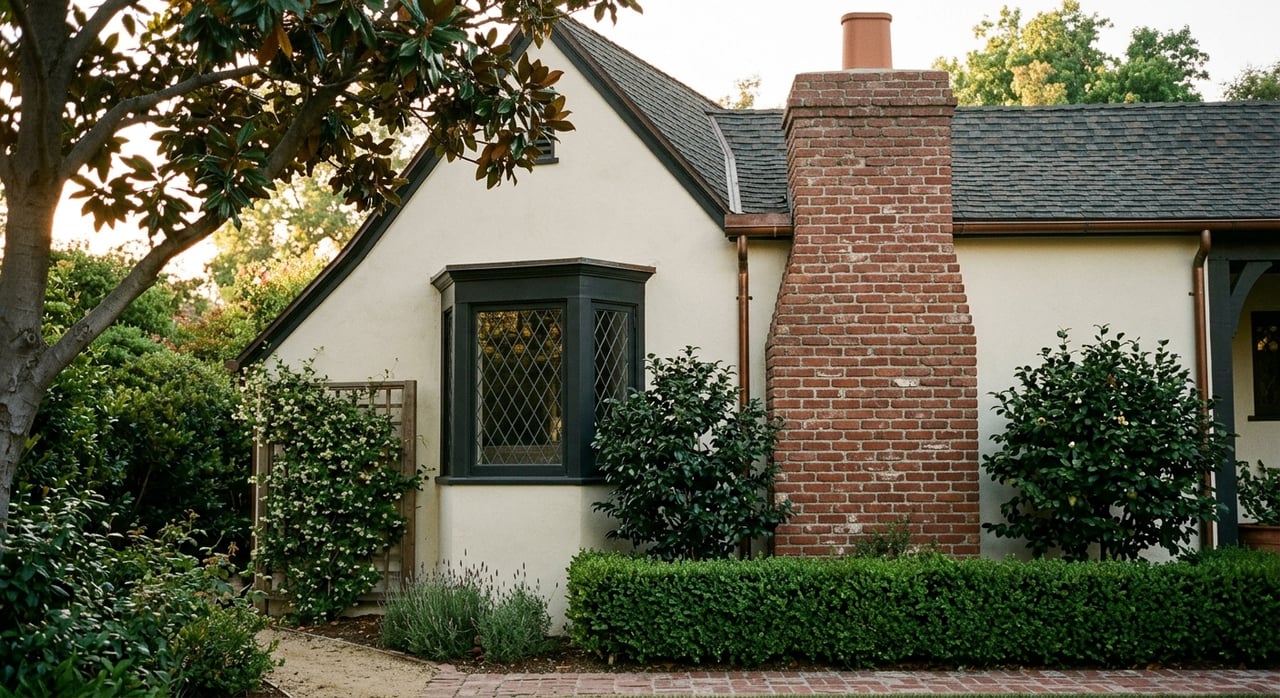
Selling a historic home in Hancock Park is not the same as selling just any older property in Los Angeles. Buyers are often looking at architecture, preservation rules, permit history, and long-term upkeep all at once. If you want a smoother sale and stronger positioning, it helps to know what matters most before your home hits the market. Let’s dive in.
Why Hancock Park’s Historic Status Matters
Hancock Park is a formally recognized historic district tied to the 1920s subdivision of the former Rancho La Brea. The City of Los Angeles describes it as an area of large, mostly two-story single-family homes built between 1920 and 1956, often on deep lots with mature landscaping, side driveways, and rear garages.
That context shapes how buyers see your property. In Hancock Park, the story is not only about square footage or updates. It is also about how your home contributes to a protected historic streetscape.
Historic Character Can Support Value
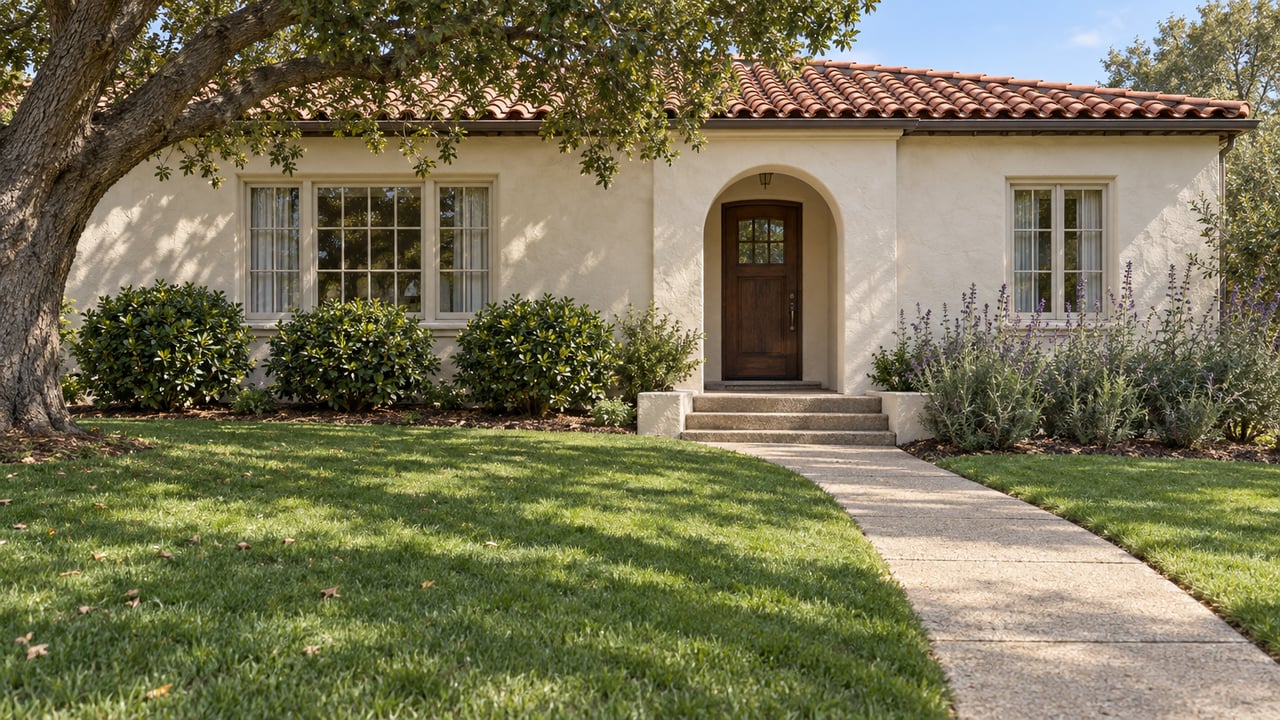
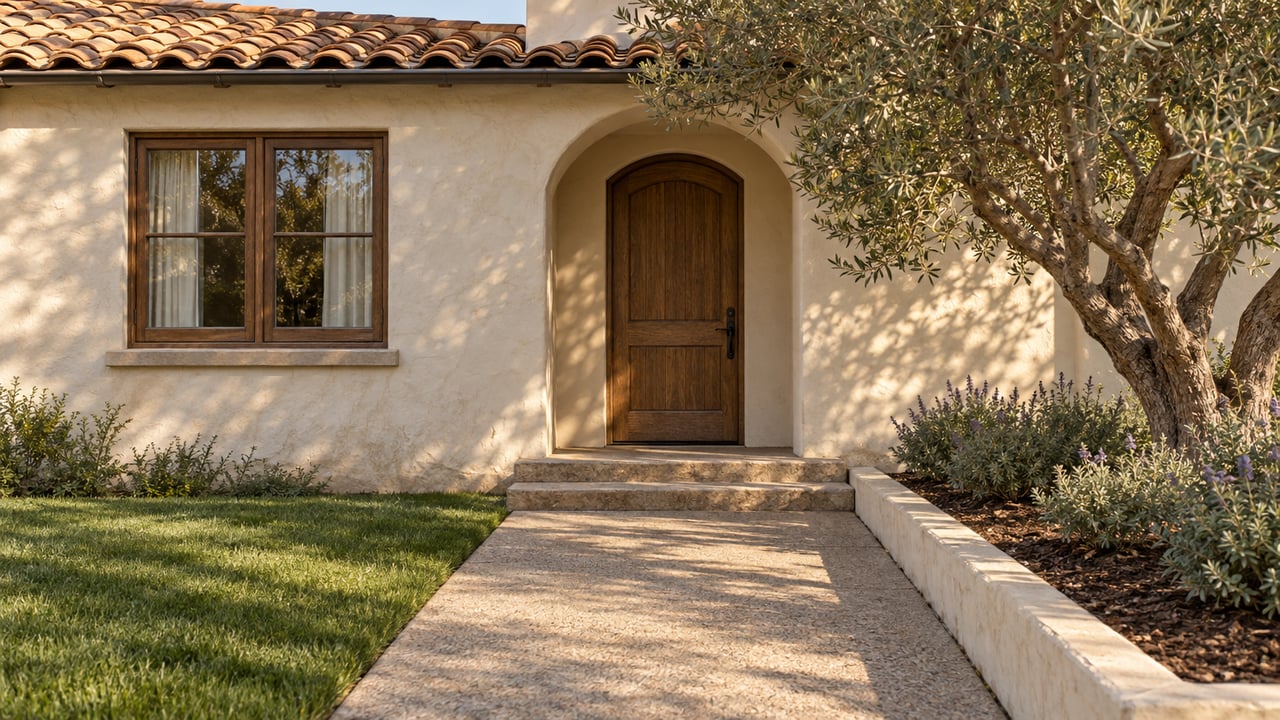
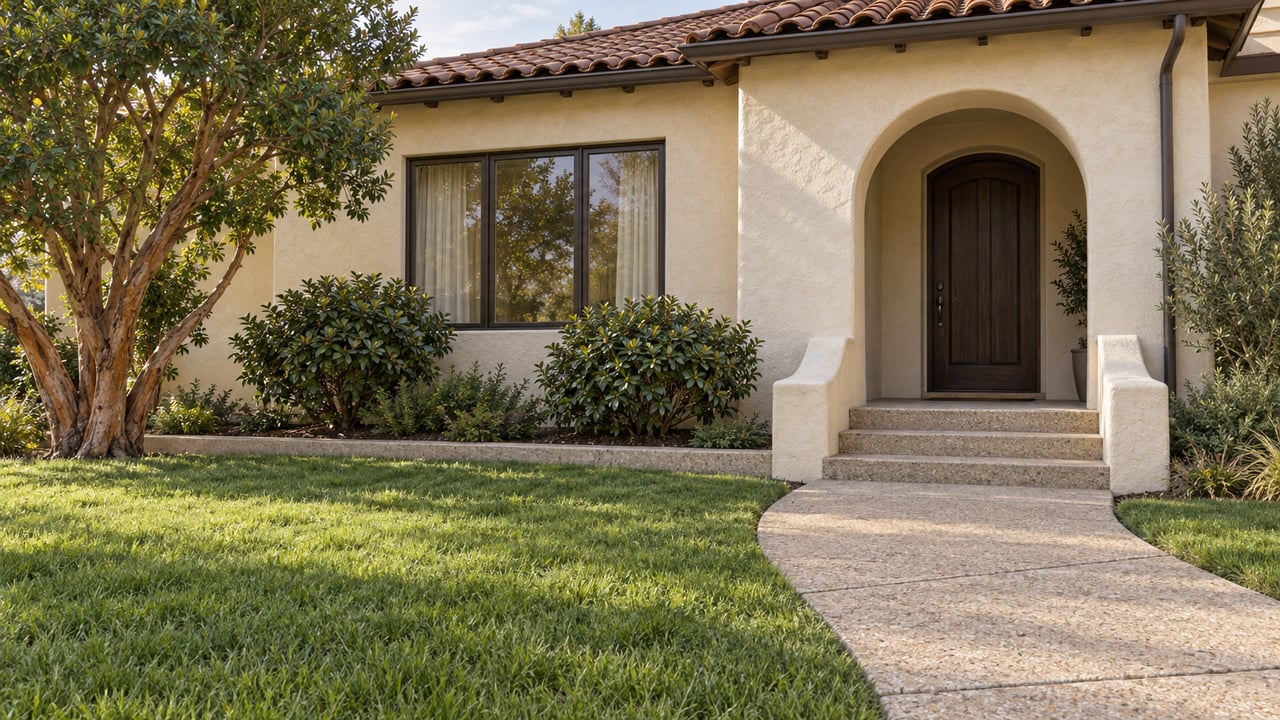
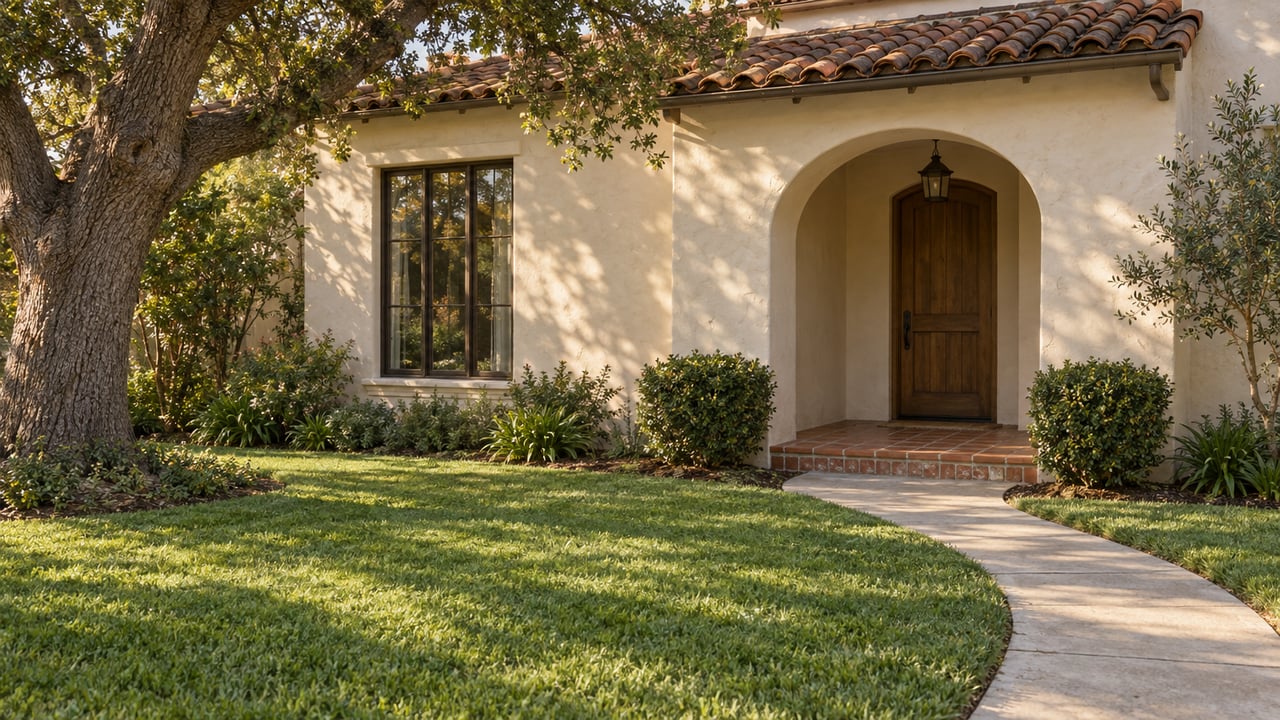
The district includes homes in Tudor Revival, English Revival, Spanish Colonial Revival, Mediterranean Revival, Monterey Revival, American Colonial Revival, and some early modern styles. Buyers who shop in Hancock Park often expect to see these period features reflected in the exterior appearance and overall presentation.
That means details like rooflines, façade composition, front-yard setbacks, mature landscaping, and period materials are not small extras. They are often part of what makes the home appealing in the first place.
Contributor Status Can Affect Buyer Questions
The Hancock Park HPOZ was adopted in 2008, and the historic resources survey identifies contributing and non-contributing buildings. This classification matters because it can affect how later exterior work is reviewed and what level of historic integrity buyers may expect.
If you are preparing to sell, it is smart to confirm your property’s HPOZ status early. That helps you answer buyer questions with confidence and avoid confusion during escrow.
Understand the Preservation Rules Before Listing
One of the biggest mistakes sellers make is assuming every improvement is treated the same. In Hancock Park, the preservation plan focuses review on street-visible façades, large additions, and infill development.
At the same time, interior improvements, paint color, many rear-yard changes, rear façades, and other non-visible work are generally exempt or handled by planning staff. The HPOZ Board can also advise owners and help streamline the approval process.
Focus on What Buyers Can See
Because street-facing character matters most under the preservation plan, buyers often pay close attention to visible exterior features. If your home has an intact front elevation, compatible windows, a consistent roofline, and landscaping that fits the historic setting, those features may help your home stand out.
If changes were made over time, it helps to be ready with clear information about what was updated, when it was done, and whether it was completed in a way that fits the home’s character.
Avoid Vague Marketing Claims
Historic-home buyers tend to notice the difference between a cosmetic refresh and a well-documented restoration. Your listing will usually be stronger if it clearly explains what is original, what has been restored, and what has been modernized in a compatible way.
It is also wise to avoid broad claims like “fully updated” or “move-in ready” unless your records, inspection history, and condition fully support them. In a neighborhood like Hancock Park, precision builds trust.
Check for a Mills Act Contract
If your property has a Mills Act contract, that is an important part of the sale conversation. Los Angeles describes the Mills Act as its primary financial incentive for historic preservation, and the contract can reduce property taxes in exchange for maintaining historic character.
Just as important, the contract transfers to the buyer and remains binding on successor owners. That means it can affect pricing, buyer interest, and due diligence.
Why This Matters to Sellers
A Mills Act contract can be a benefit for some buyers, but it also creates ongoing obligations. If your home is under contract, gather the related paperwork before listing so buyers can review the terms early.
If there is no Mills Act contract, that matters too. Buyers may still ask about it, especially in a well-known historic district, so it helps to have a clear answer.
Prepare for Disclosures and Due Diligence
California sellers have standard disclosure obligations, and historic homes often bring extra layers of diligence. The California Department of Real Estate says the transfer disclosure statement covers the property’s physical condition and potential hazards or defects, while the agent must visually inspect and disclose readily observable defects.
Additional disclosures may be required depending on the property’s location, age, and other factors. For many Hancock Park homes, age is a major part of the disclosure picture.
Lead-Based Paint Rules for Older Homes
For homes built before 1978, federal lead-based paint rules apply. Sellers must disclose known lead-based paint information, provide available records, give buyers a lead-hazard pamphlet, and allow a 10-day buyer inspection period before contract signing.
If work will disturb suspected lead paint, trained and certified lead-safe practices are required. Since many Hancock Park homes were built well before 1978, this issue often deserves early attention.
Asbestos Can Be a Hidden Issue
In older homes, asbestos can also become part of the discussion. EPA notes that you cannot tell by sight alone whether a material contains asbestos, so suspect materials like floor tile, ceiling tile, or pipe wrap may need sampling if they are damaged or likely to be disturbed during renovation.
For sellers, the key takeaway is simple. If you know of asbestos-related issues or past testing, organize that information before the home goes live.
Expect Buyers to Look Closely at Condition
Historic-home buyers are often drawn to original character, but they also want evidence of careful maintenance. Features like original or compatible windows, intact exterior details, and preserved façades can create a strong first impression.
At the same time, buyers may look past charm and ask practical questions about the roof, foundation, attic, systems, and water intrusion history. A beautiful home usually markets better when it also shows signs of steady upkeep.
Common Inspection Surprises in Older Homes
Typical inspection issues in older properties can include:
- Roof wear
- Chimney deterioration
- Cracked or incompatible windows
- Plaster or stucco damage
- Porch rot
- Water intrusion
- Uneven floors
- Attic moisture or insulation problems
In Hancock Park, these items can carry extra weight because visible repairs or replacements may need to stay consistent with preservation guidelines. That is one reason a pre-listing review can be so valuable.
Reconcile Permit History Before You List
Permit history is one of the most useful areas to review before a historic sale. The Los Angeles Department of Building and Safety makes public building records available, including building permits from 1905 to the present, certificates of occupancy from 1940 to the present, approved plans, and other records.
ZIMAS also shows planning and zoning information, permit history, code enforcement notes, and whether a property is within a local historic district. Together, these tools can help you reconcile old remodels, additions, garage work, and other changes with the public record.
Why Permit Gaps Matter
Permit questions often surface late in escrow, which can slow negotiations or lead to price pressure. If buyers discover that an addition, garage conversion, or exterior change does not match available records, they may ask for more time, more documentation, or concessions.
Doing this work before listing gives you more control. It also helps your agent market the property with cleaner, better-supported information.
A Smart Pre-Listing Checklist for Hancock Park Sellers
If you want fewer surprises during escrow, preparation matters. A practical pre-listing plan can help you position the home well and reduce last-minute issues.
Start With These Steps
- Confirm the property’s HPOZ status and contributor classification
- Gather available permits, plans, and building records
- Check whether a Mills Act contract exists
- Identify known lead-based paint or asbestos issues early
- Arrange a general inspection covering the roof, foundation, attic, systems, and visible exterior conditions
- Organize records for repairs, restoration work, and major updates
This kind of preparation can help you answer buyer questions quickly and present the home as thoughtfully maintained rather than simply old.
Position the Home With Accuracy and Care
When you sell a historic home in Hancock Park, your goal is not to hide the property’s age. It is to frame that age as part of the home’s value, while also giving buyers a clear picture of condition, documentation, and responsibilities.
The strongest sales strategy usually combines three things: architectural storytelling, honest disclosures, and organized due diligence. When those pieces come together, buyers can appreciate both the history and the practical realities of ownership.
If you are preparing to sell a historic property and want steady guidance through pricing, prep, marketing, and negotiations, Keyholder Estates can help you build a smart plan around your home’s character and complexity.
FAQs
What makes a Hancock Park home historic when selling?
- Hancock Park is a designated historic district, and many homes were built between 1920 and 1956 in recognized architectural styles. A home’s historic context, exterior character, and contributor classification can all affect buyer expectations.
What is the Hancock Park HPOZ and why does it matter to sellers?
- The Hancock Park HPOZ is the local preservation overlay zone. It matters because street-visible exterior changes, large additions, and certain other work may be subject to review, which can influence how buyers evaluate past improvements.
What should sellers disclose for an older Hancock Park home?
- California sellers must disclose the property’s physical condition, known defects, and applicable hazards. For pre-1978 homes, sellers must also follow lead-based paint disclosure rules and provide the required materials and inspection opportunity.
Can a Mills Act contract affect a Hancock Park home sale?
- Yes. If a home has a Mills Act contract, it transfers to the buyer and stays binding on successor owners. It can influence property taxes, buyer due diligence, and how the property is priced and marketed.
Why should sellers check permit history before listing a Hancock Park property?
- Permit history can reveal whether past remodels, additions, or exterior changes align with public records. Reviewing this early can reduce delays, buyer concerns, and renegotiation during escrow.
What inspection issues are common in Hancock Park historic homes?
- Common issues can include roof wear, chimney deterioration, stucco or plaster damage, aging windows, porch rot, uneven floors, attic moisture, and signs of water intrusion. Buyers often look closely at both character features and overall maintenance.