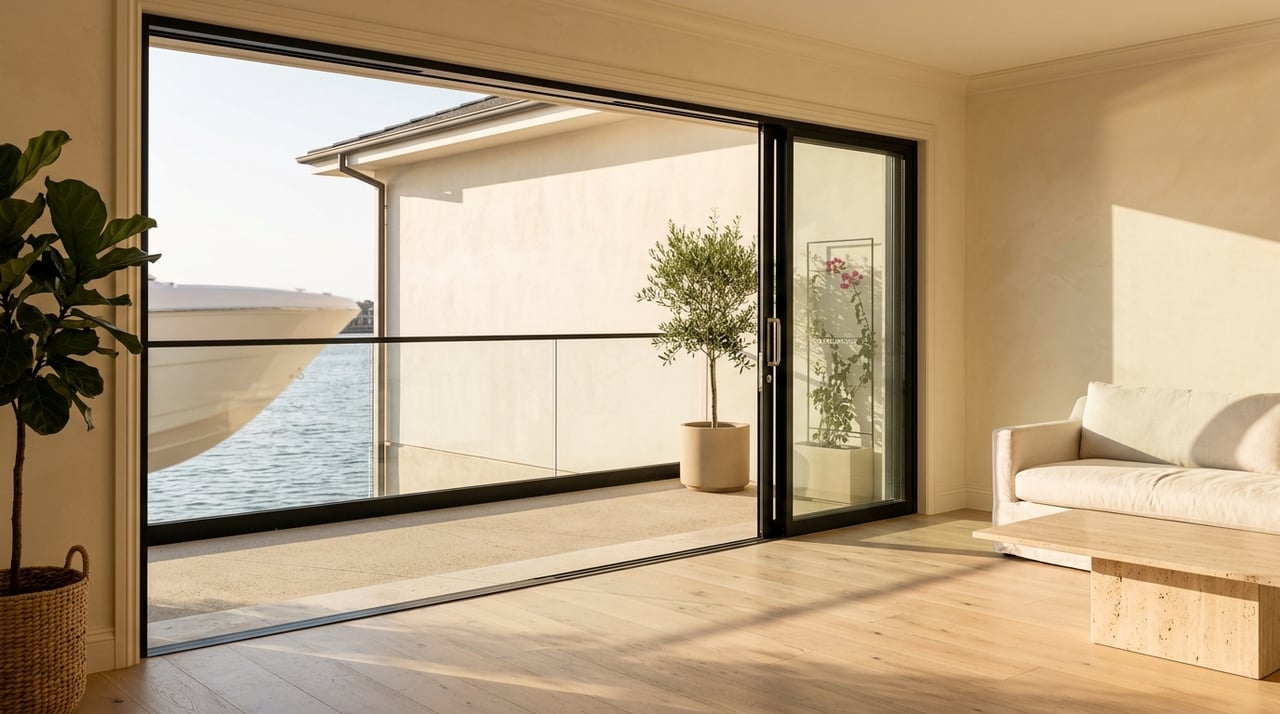
What does waterfront living really feel like when it is not a vacation, but your normal Tuesday? In Marina del Rey, daily life is less about crowds and boardwalk buzz and more about harbor views, bike rides, calm water, and routines that naturally pull you outdoors. If you are thinking about moving to this part of Los Angeles or simply want to understand its appeal, this guide will show you what everyday waterfront living in Marina del Rey actually looks like. Let’s dive in.
What Makes Marina del Rey Different
Marina del Rey is not a standalone city. It is an unincorporated, county-owned harbor community in Los Angeles County, formally dedicated in 1965 and located about four miles north of LAX.
That matters because the area feels intentionally built around the marina. Rather than growing around a traditional downtown or a classic beachfront boardwalk, Marina del Rey developed as a harbor-centered community where residential living, recreation, dining, and boating all work together.
Los Angeles County describes it as North America’s largest man-made small-craft harbor. With more than 4,600 boat slips across 23 marinas, the water is not just scenery here. It is part of the area’s everyday structure and identity.
Everyday Life Centers on the Harbor
If you live in Marina del Rey, your routines often revolve around the channel, the waterfront paths, and the parks. The pace feels active but more relaxed than some nearby coastal spots.
Instead of planning your day around a pier or a boardwalk, you are more likely to think in terms of a marina walk, a paddle on the water, a stop at the farmers market, or dinner by the harbor. That harbor-first rhythm is one of the clearest things that sets Marina del Rey apart.
Morning Walks and Outdoor Time
Burton W. Chace Park is one of the area’s best-known daily-life anchors. Los Angeles County describes it as a 10-acre park on the main channel with harbor views, picnic areas, barbecue spots, guest docks, and year-round events.
For many residents, that means easy access to open space without leaving the neighborhood. It is the kind of place that fits into real life, whether you want a quiet walk, a place to sit near the water, or room to meet friends and family outdoors.
Calm-Water Recreation
Mother’s Beach plays a different but equally important role. The county describes it as a calm, no-surf, human-made beach with playground equipment, picnic areas, barbecue grills, restrooms, and restaurants within walking distance.
That calm-water setting gives Marina del Rey a softer, more everyday coastal feel. It is less about surf culture and more about easy access to the water in a setting that supports simple outdoor routines.
Errands With a Waterfront Backdrop
Marina del Rey also has a practical side. Everyday stops can include waterfront restaurants, Fisherman’s Village, nearby shopping nodes, and the year-round Saturday farmers market at Lot 11, which runs from 9 a.m. to 2 p.m.
Fisherman’s Village adds to the area’s character with its marina setting and Sunday afternoon live music. Small details like that help explain why Marina del Rey feels less like a tourist stop and more like a place where leisure and daily life overlap.
Marina del Rey Is Built for Walking and Biking
One of the strongest lifestyle advantages in Marina del Rey is how easy it is to stay active outdoors. While it is not defined by a dense urban shopping grid, it does offer strong day-to-day mobility through promenades, trails, and bike connections.
The marina sits on the 22-mile Marvin Braude Coastal Bike Trail. The Ballona Creek Bike Path also connects Marina del Rey with Culver City, giving residents another useful route for exercise and local travel.
What That Means Day to Day
For you, this can translate into a very specific kind of convenience. You may not be walking everywhere in the same way you would in a traditional downtown, but you can build a routine around scenic walks, bike rides, and quick access to outdoor destinations.
That is a big part of the local appeal. The area supports movement and recreation in a way that feels connected to the water, not separated from it.
The Water Is Part of Daily Recreation
Marina del Rey offers more than views. The tourism board highlights sailing lessons, charters, paddleboarding, kayaking, jet skiing, parasailing, and a seasonal WaterBus that stops at Burton Chace Park, Fisherman’s Village, and Mother’s Beach.
Even if you are not a boat owner, the harbor still shapes your options. You can enjoy the waterfront as a walker, diner, paddler, cyclist, or weekend explorer, which gives the neighborhood a broader lifestyle appeal than boating alone.
Boat Access Is a Real Lifestyle Feature
Because Marina del Rey has thousands of boat slips managed by dockmasters, boating is woven into the community in a practical way. For some residents, that means direct access to the harbor lifestyle they want. For others, it simply means living in a place where boats, docks, and water activity are part of the visual and social landscape.
That distinction is important. Marina del Rey does not require you to be a boater to enjoy it, but the harbor environment shapes the neighborhood experience every day.
Housing in Marina del Rey Skews Heavily Renter-Oriented
If you are considering a move here, the housing mix is one of the most important things to understand. Marina del Rey is heavily apartment-based, and Los Angeles County lists a long roster of apartment communities, including several that combine apartments and anchorage access.
That setup reflects how closely residential life and the marina are linked. It also means the local housing inventory feels very different from neighborhoods that offer a broader range of detached homes.
Census QuickFacts show an owner-occupied housing unit rate of just 5.6%, along with a median gross rent above $3,500. In simple terms, Marina del Rey is much more renter-heavy than owner-heavy.
What Buyers and Renters Should Expect
If you are searching in Marina del Rey, you should expect a multifamily environment and limited ownership inventory compared with many other Los Angeles neighborhoods. That scarcity is part of what shapes the area’s market and lifestyle.
Los Angeles County also reported in 2023 that Marina del Rey had 7,116 residential units, with only 456 designated affordable, and approved a revised affordable housing policy requiring 30% of new residential units to be affordable. For consumers, that provides useful context: the waterfront lifestyle is real, but so are supply constraints and high housing costs.
How Marina del Rey Compares Nearby
A lot of people compare Marina del Rey with Venice, Santa Monica, or Playa del Rey. While they are all coastal areas, the day-to-day feel is not the same.
Venice Beach is more tied to Ocean Front Walk, the boardwalk, street activity, volleyball, and surf-oriented beach culture. Santa Monica centers more on the Pier, shopping, dining, and a more urban beachfront core. Dockweiler and Playa del Rey lean more toward open beach recreation, picnic areas, fire pits, and camping.
Marina del Rey stands apart because it is harbor-first. Its appeal comes from marina walks, slips, parks, calm-water access, waterfront dining, and trail connections rather than a classic boardwalk or pier-centered scene.
Who Tends to Like Marina del Rey Most
Marina del Rey can be a strong fit if you want coastal access without the intensity of a major beach boardwalk environment. It offers a quieter kind of waterfront living that still keeps you close to activity.
If your ideal routine includes walking by the marina, biking along the coast, spending time in parks, or enjoying calm-water recreation, this area may feel more natural than other nearby beach communities.
Why the Lifestyle Feels So Livable
The biggest strength of Marina del Rey may be that the waterfront is usable in everyday life. It is not only about views from a restaurant or a once-in-a-while weekend outing.
Here, the water shows up in practical ways. It influences where you walk, how you exercise, where you meet people, and how you spend a free hour close to home.
That is what makes everyday waterfront living in Marina del Rey stand out. It offers a version of coastal Los Angeles that feels active, scenic, and grounded in routine.
If you are weighing a move to Marina del Rey or comparing it with other Westside waterfront areas, working with a local team can help you understand not just the listings, but the lifestyle behind them. For tailored guidance on Los Angeles area homes and neighborhoods, connect with Keyholder Estates.
FAQs
Is Marina del Rey a city or part of Los Angeles County?
- Marina del Rey is an unincorporated, county-owned harbor community in Los Angeles County, not a standalone city.
Is Marina del Rey walkable and bikeable for everyday life?
- Yes. Its strongest daily mobility features are marina promenades, waterfront paths, the Marvin Braude Coastal Bike Trail, and the Ballona Creek Bike Path connection to Culver City.
Is Marina del Rey known more for beaches or for the harbor?
- Marina del Rey is best understood as a harbor-first community focused on marinas, boat slips, waterfront dining, parks, and calm-water recreation.
What kind of housing is most common in Marina del Rey?
- Marina del Rey is heavily apartment-based and strongly renter-oriented, with a very low owner-occupied housing unit rate and limited ownership inventory.
What are popular outdoor spots in Marina del Rey for daily use?
- Burton W. Chace Park and Mother’s Beach are two of the area’s best-known everyday outdoor destinations for walks, picnics, calm-water access, and time near the harbor.
How is Marina del Rey different from Venice or Santa Monica?
- Marina del Rey is quieter and more harbor-centered, while Venice is more boardwalk-and-beach oriented and Santa Monica is more pier-and-downtown retail focused.