If you have lived in your Ladera Heights home for years, getting ready to sell can feel like a big project all at once. You may be wondering which updates matter, what paperwork to gather, and how to price your home in a market where buyers are still careful. The good news is that a thoughtful plan can help you avoid last-minute stress and present your home with confidence. Let’s dive in.
Understand the Ladera Heights market
Ladera Heights is an established owner market with 2,659 households, including 1,785 owner households and 873 renter households. County profile data also show a median age of 52.9 and a median household income of $113,462. For many sellers, that points to a neighborhood with long-time owners and buyers who often look closely at a home's condition and records.
Current market data suggest a premium market, but not an overheated one. Realtor.com reports 30 active listings, a March 2026 median listing price of $1,995,000, median days on market of 40, and a 99% sale-to-list ratio. Redfin's rolling data through April 2026 shows a median sale price of $1,699,123, median days on market of 104, and a 97.9% sale-to-list ratio.
The exact numbers vary by source, but the message is consistent. Buyers are still active, yet they are price sensitive and not rushing at every listing. That means preparation matters.
Start with condition and curb appeal
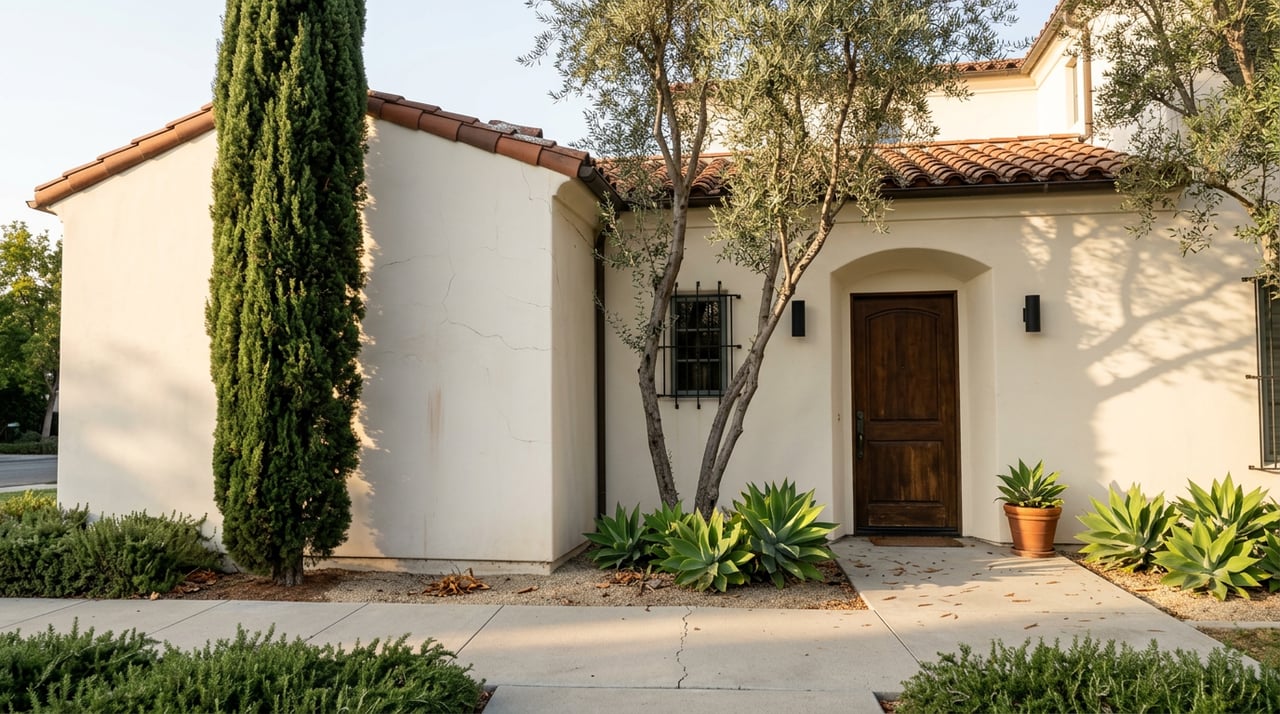
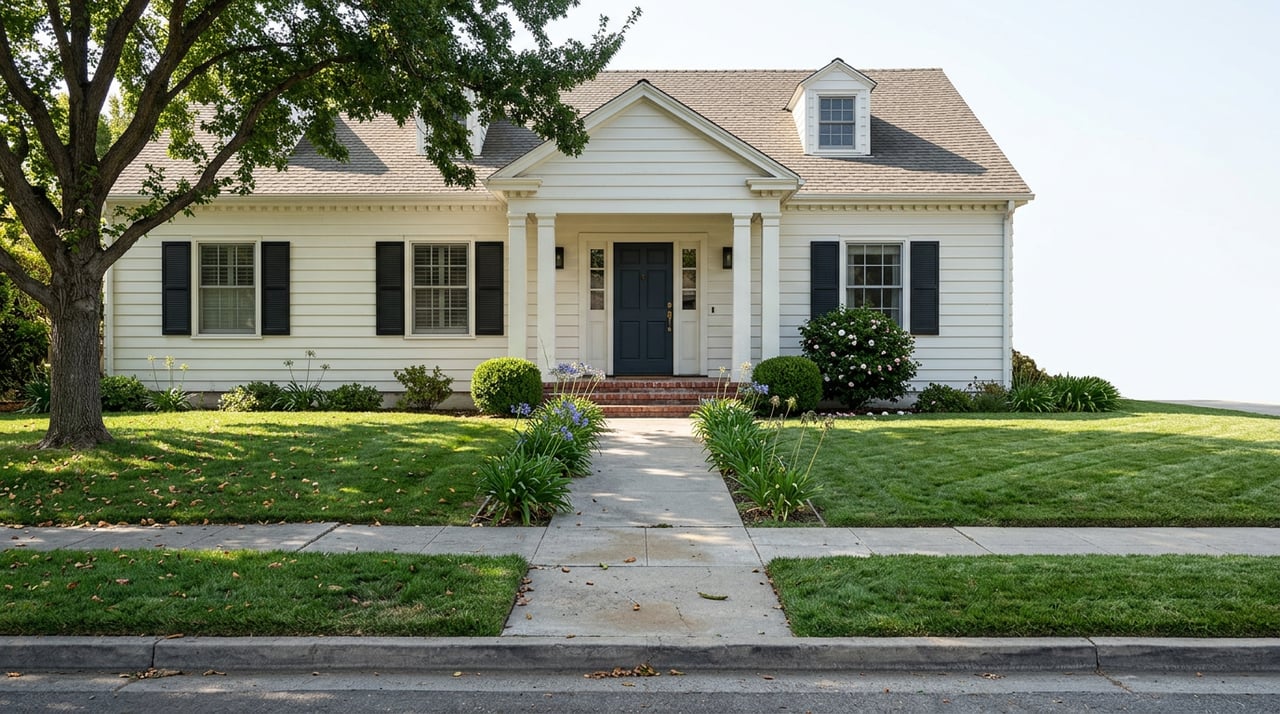
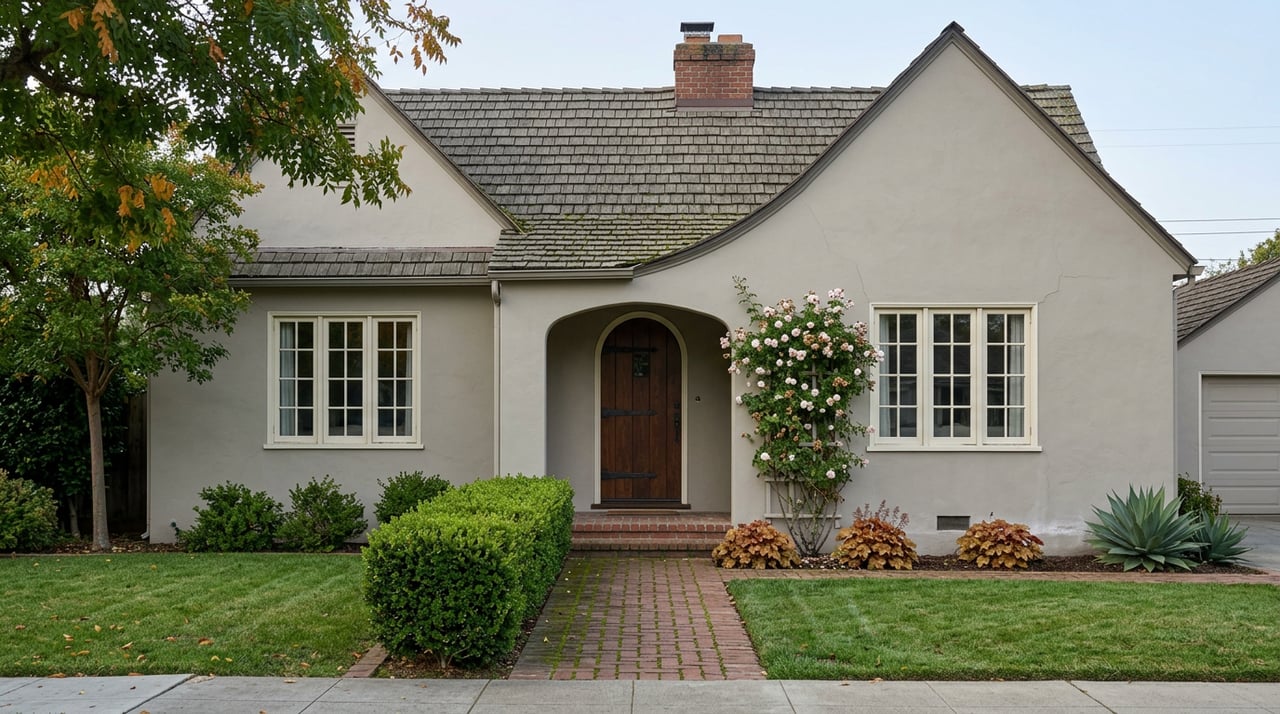
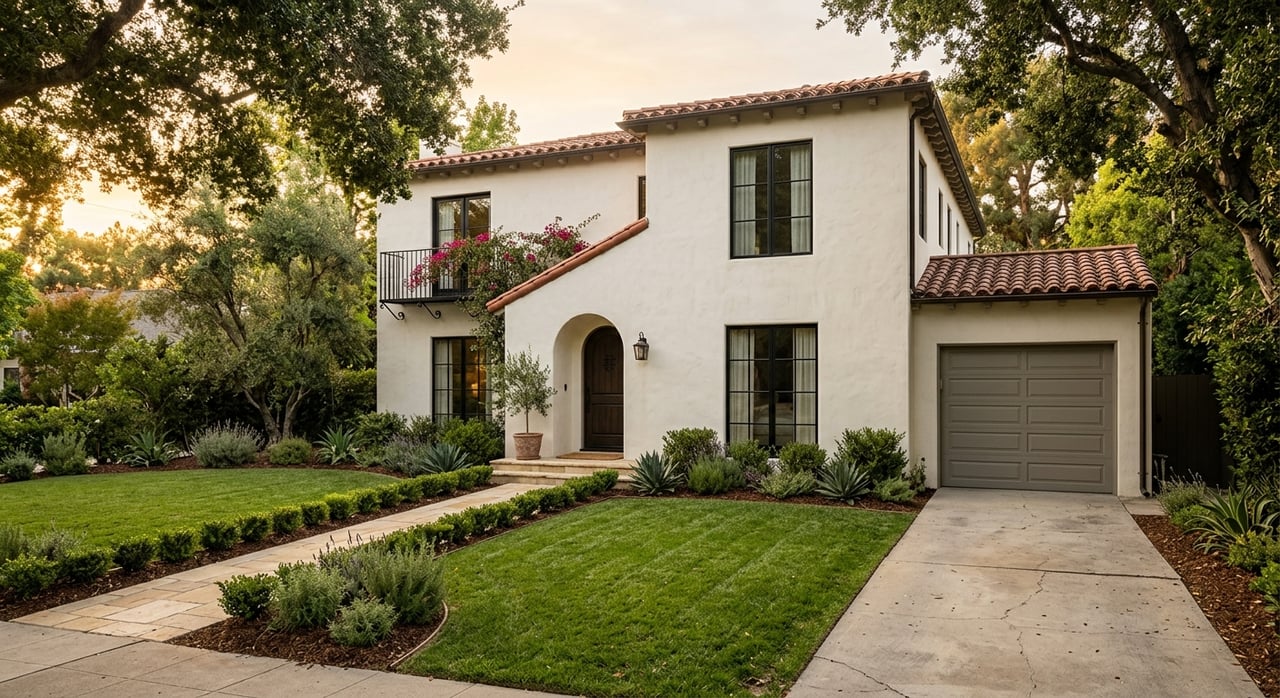
Your first goal is to make a strong impression before a buyer even walks through the front door. The 2025 Remodeling Impact Report found that 92% of REALTORS recommend improving curb appeal before listing, and 97% say curb appeal matters in attracting a buyer. In practical terms, that makes exterior presentation one of the smartest places to begin.
For many Ladera Heights homes, the best updates are simple and visible. Fresh paint, trimmed landscaping, repaired siding or trim, and a tidy front entry can make the property feel cared for right away. If your garage door, front door, or exterior finishes look worn, those details can stand out more than you think.
NAR also reports strong resale appeal for projects like a new steel door, garage door replacement, new siding, a new front door, and exterior paint or siding. Kitchen upgrades, roofing, and bathroom renovations have also seen increased demand in the last two years. That does not mean you need a full remodel, but it does suggest that targeted improvements can help buyers feel more comfortable with your home.
Look beyond cosmetic fixes
Ladera Heights developed in phases after World War II, with homes in styles such as Minimal Traditional, Ranch, and Mid-century Modern. Many homes in the area may have older roofs, systems, remodels, or additions. Because of that, smart seller prep goes deeper than paint and staging.
Before listing, it helps to review core systems such as plumbing, electrical, HVAC, roof, and drainage. Visible deferred maintenance often becomes a negotiation point later, especially in a balanced market. If buyers notice unresolved issues, they may factor those concerns into their offers or repair requests.
This is also the time to gather receipts, warranties, and contractor invoices. If you have replaced the roof, updated electrical work, repaired sewer lines, or remodeled a bath or kitchen, clear documentation helps explain what was done and when. That kind of recordkeeping can build buyer confidence.
Gather permits and property records early
Because Ladera Heights is primarily an unincorporated Los Angeles County community, Los Angeles County agencies are the right place to start for planning, permit, and code-related questions. LA County Planning handles land-use planning functions for unincorporated communities like Ladera Heights. LA County Public Works Building and Safety provides permits, plan check, inspections, and code enforcement through EPIC-LA.
For sellers, the key takeaway is simple. If your home has additions, conversions, major remodels, or other visible changes, verify permit history before the listing goes live. Waiting until a buyer asks for records can slow down your transaction and create avoidable questions.
This step is especially important for long-time owners and families selling inherited homes. Over the years, changes may have been made by prior owners or contractors, and not every file is easy to find at the last minute. Starting early gives you time to sort out what is documented and what needs clarification.
Prepare California disclosures in advance
In California, most residential sellers should expect to provide a Real Estate Transfer Disclosure Statement describing the property's condition. California's Department of Real Estate explains that this disclosure is not a warranty and does not replace inspections. Even so, it is a key part of the sale process and should be approached carefully.
Sellers should also plan for a Natural Hazard Disclosure. This covers items such as special flood hazard areas, very high fire hazard severity zones, earthquake fault zones, and seismic hazard zones. Gathering this information early can help your listing process move more smoothly.
Older homes may require extra paperwork. For most homes built before 1978, federal rules require lead-based paint disclosure and delivery of the EPA pamphlet Protect Your Family From Lead in Your Home. California DRE materials also state that sellers of residential dwellings built before January 1, 1960, with 1 to 4 units, must deliver the Homeowner's Guide to Earthquake Safety.
There is one more California item sellers often overlook. If the property has a water heater, the seller must provide written certification that it has been braced, anchored, or strapped against earthquake motion. It is a small detail, but one worth checking early.
Price for today’s market
Pricing strategy matters in Ladera Heights right now. With reported sale-to-list ratios of 99% and 97.9% from the current market data, the market appears to reward homes priced close to real market value. In other words, buyers may pay near asking when a home is positioned well, but they are less likely to chase an unrealistic number.
That is why recent closed sales should carry more weight than a general sense of neighborhood value or an online estimate. Your home's actual condition, finish level, and permit history all affect how buyers compare it with other available options. A well-prepared home often stands out more than a larger home with unanswered questions.
For many sellers, this is the hardest part of preparation. It is natural to focus on what your home could be worth. But in a balanced market, disciplined pricing from day one can protect momentum and reduce the risk of sitting too long.
Focus on launch readiness, not speed alone
Many sellers ask when the best time is to list. In the current Ladera Heights market, the stronger strategy may be getting fully ready before launch instead of rushing to market with unfinished prep. When inventory is moderate and buyers are selective, first impressions carry extra weight.
That means finishing repairs, organizing disclosures, confirming permits, preparing the home for showings, and scheduling strong photography before the listing goes live. A clean, complete launch can help your home look more polished from the start. It also gives you a better chance of attracting serious buyers early.
This matters even more if your home has older features or a long ownership history. Buyers may be more understanding of age than of uncertainty. If your home is presented clearly and documented well, that can make the decision easier for them.
A practical pre-listing checklist
If you are not sure where to begin, start here:
- Clean up landscaping and exterior presentation
- Touch up or repaint areas that show wear
- Repair visible siding, trim, doors, or roofing issues
- Review plumbing, electrical, HVAC, roof, and drainage condition
- Gather receipts, warranties, and contractor invoices
- Verify permit history for additions, remodels, or conversions
- Prepare California disclosure documents early
- Check whether lead-based paint and earthquake safety materials apply
- Confirm water heater bracing certification if required
- Review recent comparable sales before setting a list price
- Finish staging and photography before going live
Why preparation pays off
Selling a Ladera Heights home is not just about putting a sign in the yard. It is about showing buyers that your home has been cared for, priced thoughtfully, and presented with clear documentation. In a market where buyers have options, that preparation can shape both the pace of the sale and the quality of the offers you receive.
If you are selling a long-time residence, an inherited property, or a home with years of updates and history, a steady plan matters. Keyholder Estates brings local market knowledge, hands-on guidance, and the experience to help sellers organize the details that matter most. When you are ready to map out your next move, connect with Keyholder Estates.
FAQs
What should you fix before selling a home in Ladera Heights?
- Focus first on visible, confidence-building improvements such as curb appeal, fresh paint, landscaping, repaired trim or siding, and any obvious maintenance issues involving the roof, plumbing, electrical, HVAC, or drainage.
Why do permits matter when selling a Ladera Heights home?
- Because Ladera Heights is primarily in unincorporated Los Angeles County, sellers should verify records for additions, conversions, and major remodels through county agencies before listing so buyers are not left with unanswered questions.
What disclosures are common when selling a home in California?
- Many sellers will need a Real Estate Transfer Disclosure Statement and a Natural Hazard Disclosure, and older homes may also require lead-based paint disclosure, earthquake safety materials, and water heater bracing certification.
How should you price a Ladera Heights home for sale?
- Current market data suggest that realistic pricing based on recent closed sales, condition, finish level, and documentation is more effective than stretching above likely market value.
Is it better to list quickly or wait until the home is ready in Ladera Heights?
- Current local market conditions suggest that complete preparation, including repairs, disclosures, permits, staging, and photography, is often more important than rushing to market before the home is fully ready.